
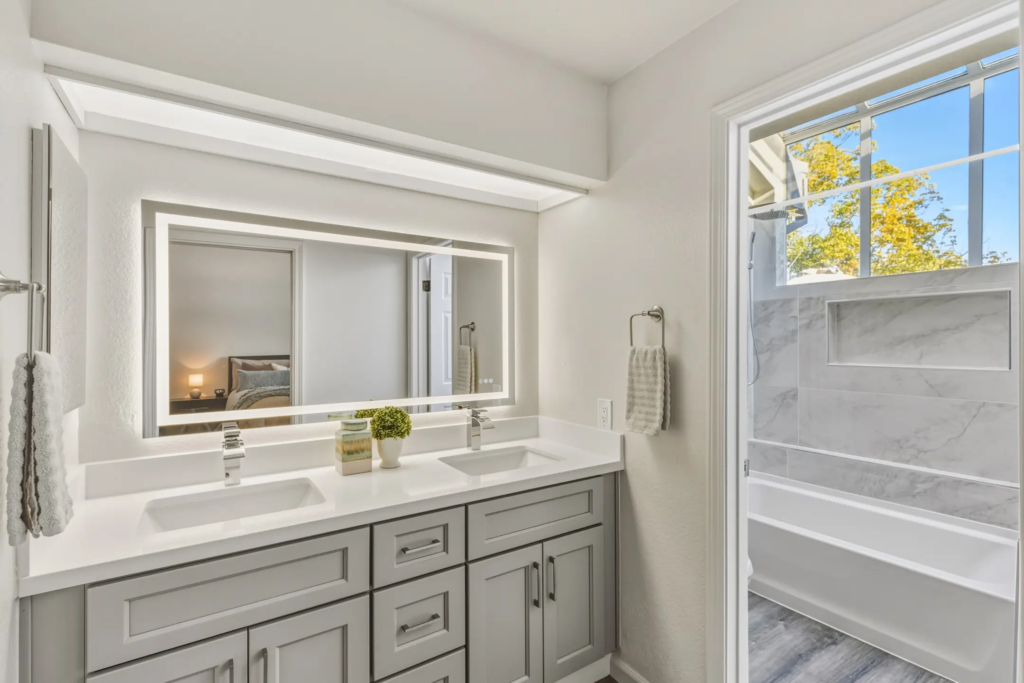
Choosing the right remodeling contractor is the single most important decision you’ll make for your home renovation project. A great contractor makes the process smooth, stays on budget, and delivers quality results. A bad one can turn your dream remodel into a nightmare. Here are eight essential questions Bay Area homeowners should ask before hiring a remodeling contractor in San Francisco.
1. Are You Licensed and Insured in California?
This is non-negotiable. In California, any contractor performing work valued at $500 or more must hold a valid Contractors State License Board (CSLB) license. Verify their license at cslb.ca.gov — check that it’s active, matches the contractor’s name, and covers the type of work you need (B – General Building, C-36 – Plumbing, C-10 – Electrical, etc.).
Also confirm they carry general liability insurance (minimum $1 million recommended) and workers’ compensation insurance for their crew. Ask for certificates of insurance — a reputable contractor will provide these without hesitation. In the Bay Area, where project values are high, proper insurance protects you from significant financial liability.
2. How Long Have You Been Doing Remodeling Work in the Bay Area?
Bay Area remodeling has unique challenges that out-of-area or inexperienced contractors may not understand: older homes with hidden issues (knob-and-tube wiring, galvanized pipes, lead paint), complex local permit processes that vary by city, seismic requirements specific to California, and tight site access in dense San Francisco neighborhoods.
A contractor with years of Bay Area experience has encountered these challenges before and knows how to handle them efficiently. They’ll also have established relationships with local subcontractors, suppliers, and inspectors.
3. Can You Provide References from Recent Bay Area Projects?
Ask for 3–5 references from projects completed in the last 12–18 months, ideally similar in scope to yours. When you contact references, ask about communication quality and responsiveness, whether the project stayed on budget and timeline, how the contractor handled unexpected issues, overall quality of workmanship, and whether they’d hire the contractor again.
Also check online reviews on Houzz, Google, Yelp, and the Better Business Bureau. Look for patterns across multiple reviews rather than focusing on any single review. A contractor with consistently positive reviews across platforms is a strong signal.
4. What Is Your Project Management Process?
A remodeling project involves coordinating multiple trades (plumbers, electricians, tile setters, painters, cabinet installers) over weeks or months. Ask how the contractor manages this complexity. Key questions include: Who is my day-to-day point of contact? How often will I receive progress updates? Do you use project management software I can access? How do you schedule and coordinate subcontractors? What happens if a subcontractor doesn’t show up or delivers subpar work?
The best Bay Area contractors have systematic project management processes — not just “I’ll keep you posted.” You should never have to chase your contractor for updates.
5. How Do You Handle Change Orders and Unexpected Issues?
In remodeling — especially in older Bay Area homes — surprises are common. When your contractor opens a wall and finds water damage, outdated wiring, or inadequate framing, you need a clear process for addressing it. Ask: How do you document and price change orders? Do I approve all changes before additional work begins? How do you communicate cost and timeline impacts of unexpected discoveries?
A trustworthy contractor will never make significant scope changes without your written approval and a clear explanation of what was found, what needs to happen, and what it will cost. Be cautious of contractors who are vague about their change order process.
6. What Does Your Contract Include?
A detailed contract protects both you and the contractor. Before signing, make sure the contract includes a detailed scope of work with specific materials, finishes, and allowances, a fixed price or guaranteed maximum price with clear terms for how overages are handled, a payment schedule tied to project milestones (not front-loaded), a project timeline with start and estimated completion dates, warranty terms for both labor and materials, and permit and inspection responsibilities.
In California, home improvement contracts over $500 must include specific legal disclosures. A professional contractor’s contract will include these automatically. If a contractor asks you to sign a one-page “proposal” for a $100K+ remodel, consider it a red flag.
7. How Do You Handle Permits and Inspections?
For most Bay Area remodels, building permits are required (see our San Francisco building permit guide). Your contractor should handle the entire permit process — applications, plan submissions, and scheduling inspections. Ask: Do you pull all required permits? Who prepares the plans and engineering documents? How do you handle inspector feedback or corrections?
Be very cautious of any contractor who suggests skipping permits or asks you to pull permits yourself. In the Bay Area real estate market, unpermitted work can cost you significantly at resale.
8. What Sets You Apart from Other Bay Area Contractors?
This open-ended question reveals a lot about a contractor’s values and priorities. Listen for specific, substantiated answers rather than generic claims. Strong answers reference their process and systems, their team’s expertise, their track record on similar projects, and how they’ve solved problems for past clients. Vague answers like “we do great work” or “we’re the best” without specifics should give you pause.
Ready to Start Your Bay Area Remodel?
At 4Sigma, we welcome these questions — and we answer them with specifics, references, and a proven track record of successful Bay Area remodeling projects. We believe the contractor selection process should be transparent and pressure-free. Contact us for a free consultation to discuss your project and see if we’re the right fit.